
Incontinence · Modern Answers
How to Choose Adult Diapers for Women
· 3 min read
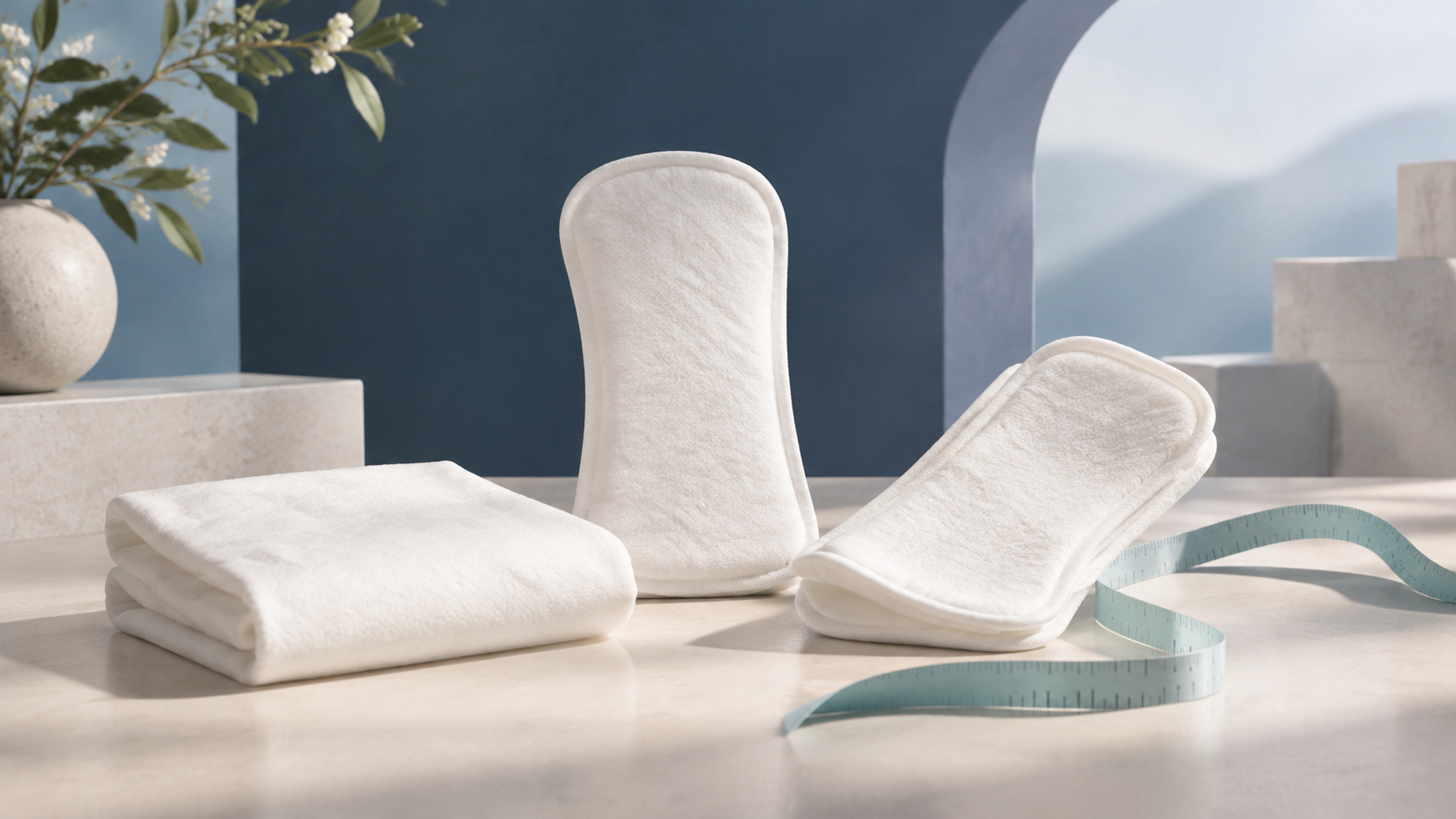
There is no single "best" adult diaper for every woman. The useful choice depends on how much and when leakage happens, whether you or a caregiver can change it easily, fit, comfort and your daily activities. A product that fits poorly may leak even if its package promises high absorbency. The Continence Product Advisor explains these selection factors; this article does not rank brands or claim to have tested them.
Quick match: For light bladder leaks, a small disposable pad held in close-fitting underwear may work. For moderate or heavy leaks, research cited by the Continence Product Advisor suggests disposable pull-ons or disposable all-in-one briefs may leak less than large disposable insert pads; many women prefer pull-ons. At night or when someone helps with changes, a larger-capacity product may suit the routine. Fit and the person’s preference still matter.
This guide covers absorbent pads, pull-ons and briefs. A device such as a pessary is a separate option to discuss with your clinician. MedlinePlus
Start with the kind of protection you need
For lighter bladder leakage, an absorbent pad worn inside underwear may be one option. Pull-on absorbent underwear and tab-style briefs are different designs for different changes and levels of help with dressing. For women, the Continence Product Advisor separates light leakage from moderate or heavy leakage. Match the product type to your leakage, mobility and preferences rather than a "women's" label alone. MedlinePlus describes pads, adult diapers and washable absorbent underwear as different product types. Continence Product Advisor | MedlinePlus: Urinary incontinence products - self-care
If you leak overnight, think about how long the product needs to last and whether changing at night is practical. For daytime, movement and access to a bathroom or help changing may matter more. Choose the size using the manufacturer's instructions; a larger size is not a substitute for a good fit. Continence Product Advisor
Measure for fit, then test the routine
Check the manufacturer's size chart. Many use waist and hip measurements or weight, so measure rather than guess. Pay attention to whether the product stays in place while sitting, standing and moving, and whether you can put it on and change it. The Continence Product Advisor says fit is critical to preventing leaks, and that activity and position can affect performance. Continence Product Advisor
A pad, pull-on or brief may suit different parts of the day. Take note of what leaks and when, how often changes are needed, and whether the product rubs or leaves skin damp. MedlinePlus notes that moisture from incontinence can irritate skin. Change a wet or soiled product promptly. Talk with a health professional if you develop a rash or sores, have signs of infection (burning when you urinate, fever or chills), or still are not staying dry. Continence Product Advisor | MedlinePlus: Skin care and incontinence | MedlinePlus: When to call the doctor
Where to look next
Compare adult briefs, incontinence pads and adult pull-ups by size, design and your daily routine. Ask us - we can help match a product type to your routine and check benefits. We will check the exact product and plan with you before you order. A benefits check is an estimate, not a guarantee of payment. Start the intake form, text the store, or call (347) 817-1037. Clinical details can wait for our follow-up; do not send records by ordinary text. This guide compares designs; it does not diagnose the cause of leakage or promise insurance coverage. If you have New York Medicaid, incontinence supplies can be covered with a practitioner's order documenting medical need. Coverage for pull-ups depends on your exact product and your Medicaid program: New York Medicaid's June 2026 incontinence update lists diaper, liner and underpad codes and does not name pull-on underwear (eMedNY update). Read our New York Medicaid incontinence coverage guide for program details, or Original Medicare adult-diaper coverage guide for that separate program.
Ask us about your current benefits and your expected out-of-pocket cost. Benefit information is an estimate, not a guarantee of payment.